
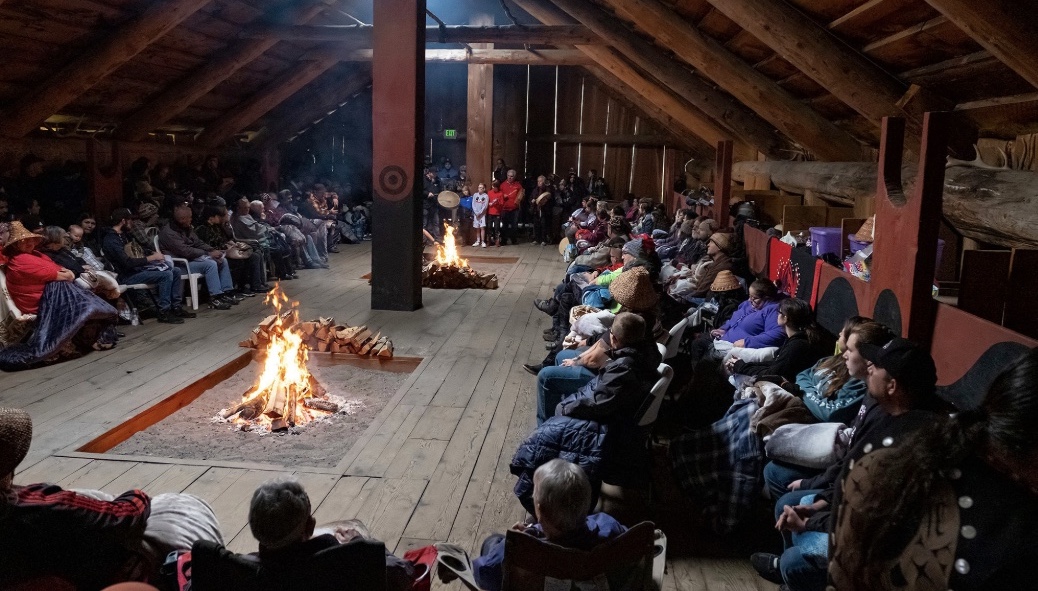
Chinook Nation Seeks Federal Reinstatement of Sovereign Rights
There are many good reasons to criticize social media—giant corporations like Meta/Facebook, "X" (formerly Twitter), and Tiktok among them, owned by right-wing, anti-democratic billionaires. On the other hand, and one reason I still have accounts with at least a few of them, is that they can amplify voices seldom heard from in the mainstream media.
The past few years I've started following several Indigenous accounts like Underscore Media, which covers Indigenous-centered issues, and the Columbia River Inter-Tribal Fish Commission that advocates for Indigenous tribes and the restoration of salmon to the Columbia River Basin. (See an Action Item and a partial list of other social media accounts at bottom.)
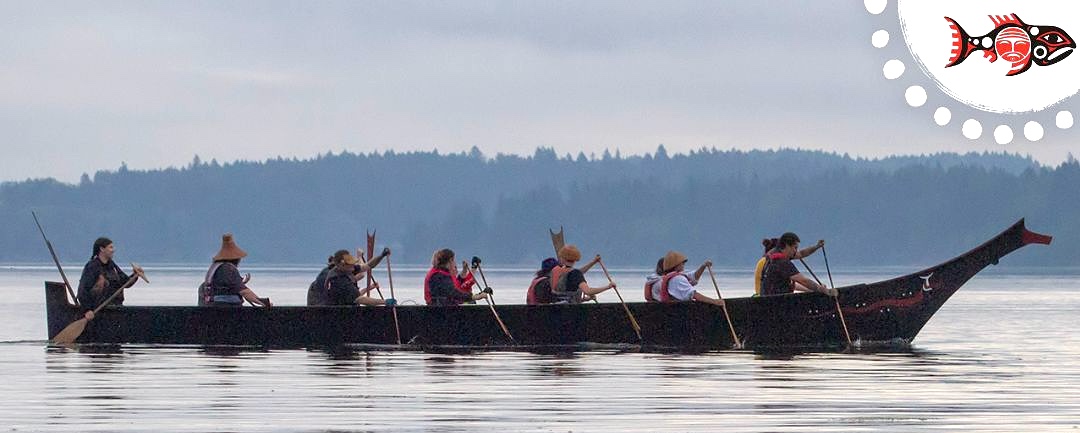
a traditional route along the Salish Sea.
I recently received an e-mail sent to supporters from Tony (naschio) Johnson, Chairman of the Chinook Indian Nation, acknowledging the importance of the Winter Solstice. In the e-mail Johnson outlines the efforts of the Chinook Nation to reestablish the federal recognition granted in 2001 under the Clinton administration that was rescinded in 2002 under George W. Bush. Since that time, Johnson wrote, "the Chinook committed to pursuing every pathway to restore their status, including through Congressional legislation."
That legislation took the form of the Chinook Indian Nation Restoration Act of 2024 which would have "provided a much-needed economic boost not just to the Chinook but also to their surrounding neighbors through an influx of federal funding for educational, cultural, environmental, healthcare, and housing programs, amongst others," according to the e-mail.
On the eve of its introduction, its chief sponsor, Washington Representative Marie Gluesenkamp Perez, pulled her support for the bill unless the Chinook agreed to amend the bill to strip all resource access rights from the Nation, including hunting, fishing, shellfish aquaculture, trapping, gathering, and water rights, a change the Nation's citizens voted unanimously to reject.
"It was an impossible choice: Give up our rights to live as we have done for tens of thousands of years or maintain our status as an ‘unrecognized’ tribe,” wrote Johnson. “All of our lands, villages, sacred sites, fishing, and burial grounds were taken away from us by the United States. The Chinook Indian Nation cannot be asked to give up even more. There is no world where we can accept a law being passed by the United States that takes away more from our people. We have accessed and subsisted on our lands’ resources for as long as we have been here and have a sacred connection with our plants, animals, and water that we cannot be asked to give up.”
The Nation is currently looking for a new sponsor for the bill. It is also asking the public to sign a petition in support of federal recognition of the Chinook Indian Nation.
Social media accounts that amplify Native voices:
- Underscore Media
- Columbia River Inter-Tribal Fish Commission
- Everyday Chinook
- Necanicum Watershed
- Warrior Women Project
- Salmon Queen
- Modern Warrior
Let me know of other accounts.
Photos: Chinook community meeting (top) and Canoe Journey (middle) by Amiran White from the Chinook Indian Nation Facebook page.