
In Season: Swinging into Spring
A sure sign of spring in the Northwest is the unpredictability of the weather from one minute to the next. Regardless of the prediction of the weather app on my phone, I now head out on every walk wearing a raincoat and hat over my hooded sweatshirt, the better to strip down or layer up when needs must. Plus, butting up against the stereotype of Northwesterners, I've also taken to carrying an umbrella for those drenching spring downpours that seem to sneak up when I least expect it.
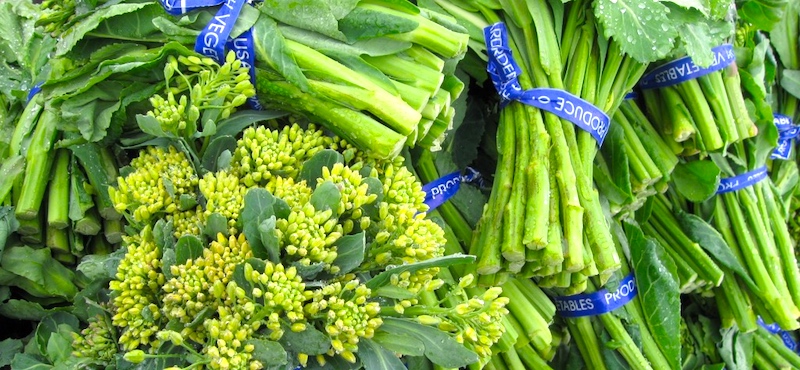
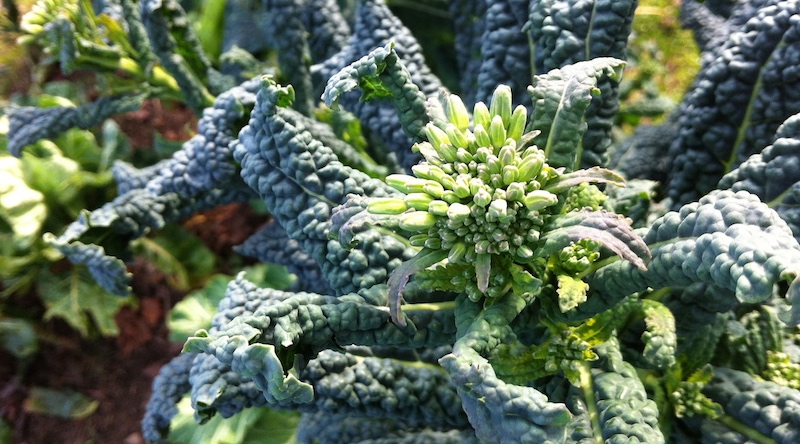
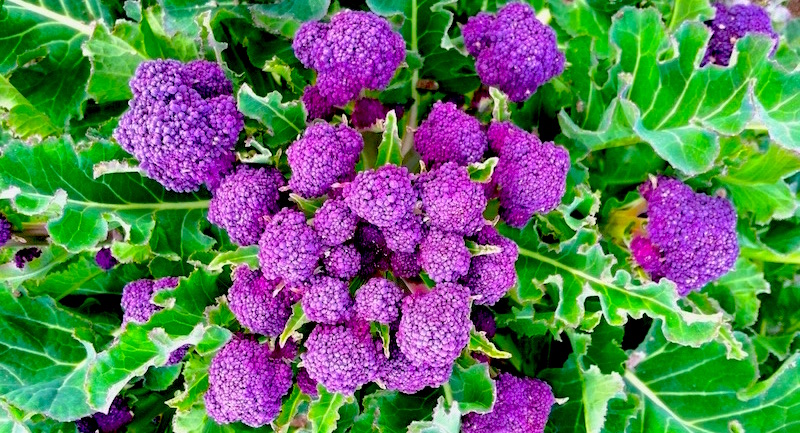
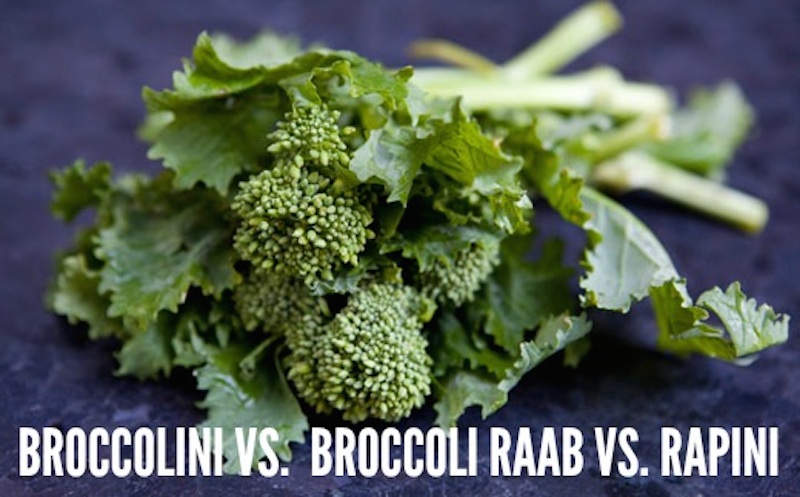
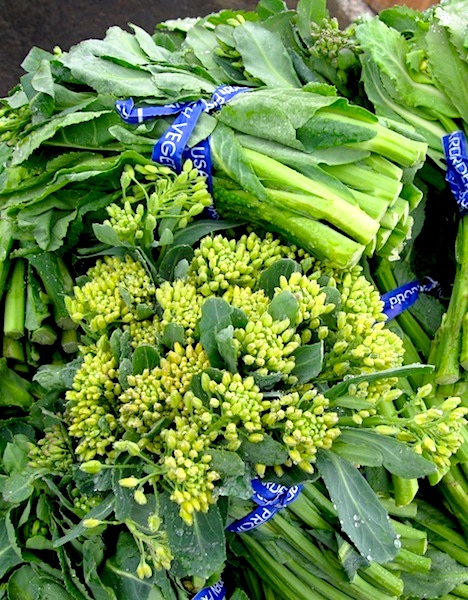
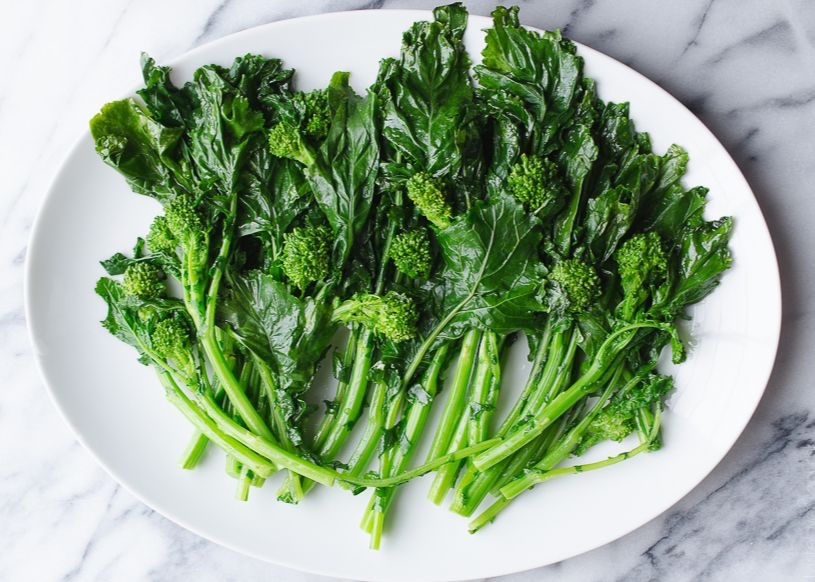
Another sure sign of spring is the appearance of a plethora of raabs, rabes, rapinis and their friends like broccolini and purple sprouting broccoli (be a cool kids and call it PSB). Though I can't help hearing my friend, farmer Anthony Boutard of the legendary Ayers Creek Farm, snort that the only true raab comes from turnips, the rest being merely the inflorescence of plants, defined as a group or cluster of flowers arranged on a stem that is composed of a main branch. Morphologically, it is the modified part of the shoot of seed plants where flowers are formed.
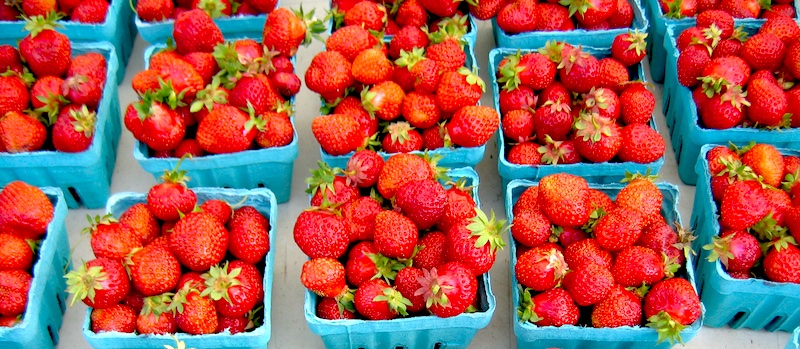
As they do every season, farmers' market customers are clamoring for local strawberries, and there are some of the hardier varieties starting to appear in very limited quantities, so it'd be best to get to your local market right as the market bell rings or you'll find yourself standing in line at the supermarket with the bloated, flavorless varieties from industrial growers. (The wait for those prized local delicacies, Hood strawberries, will be a few weeks out yet.)
The first wild greens including nettles and fiddleheads are appearing as well, as are the first of the spring onions and garlics. Not-so-wild bundles of another springtime favorite, asparagus, are standing tall on market tables, and piles of pea shoots, sorrel, spinach and fava greens are waiting to star in sautés and salads, along with fresh herbs from chives to chervil and parsley to cilantro.
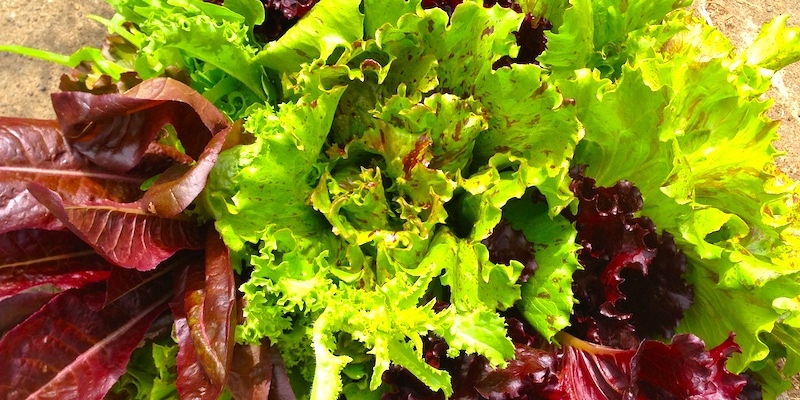
Another salad sweetheart are the small, white hakurei turnips and the first spring radishes that'll add color and crunch to your salad bowl, and don't forget to include some zing from mizuna and mustard greens to complement the sweetness of spring salad greens. (My recipes for a sweet red wine vinaigrette and a creamy miso vinaigrette will complement then perfectly!)
While you're at the market, don't forget to pick up a big bunch of tulips, dogwood blossoms or lilacs for your table—nothing makes spring feel like it's officially here than a colorful bouquet of local flowers!
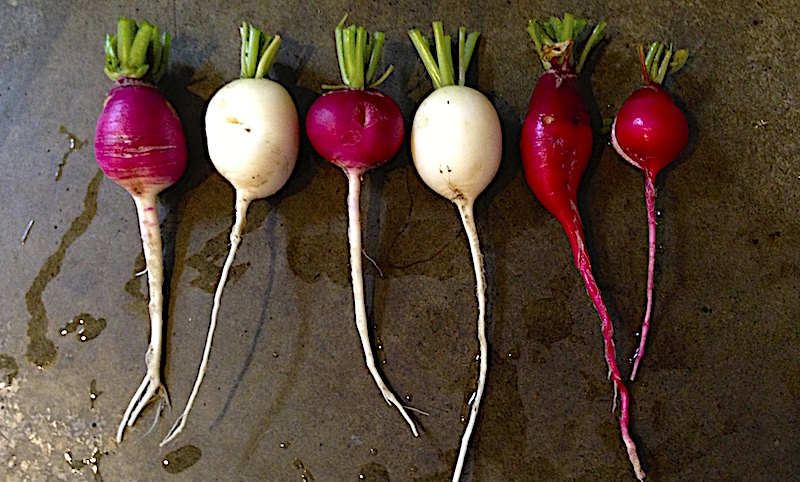
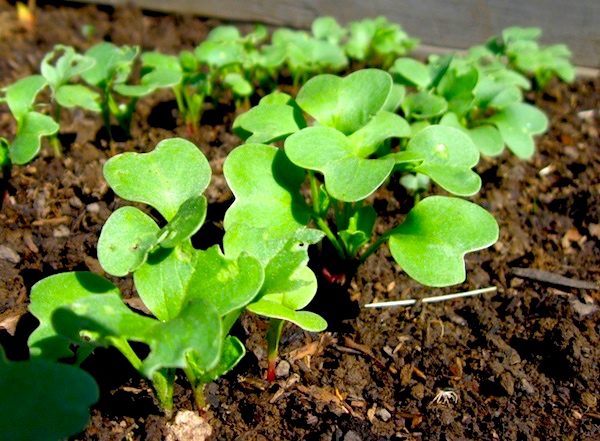 Spring is definitely one of them. Flowers blooming, trees leafing out, good things to eat emerging from the ground and beginning to come in from local farms. Which is why I wanted to check in with Josh Alsberg at
 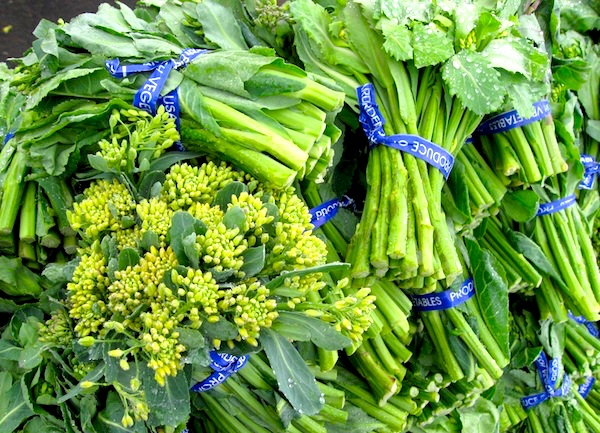 Alsberg also suggested that getting a CSA share from one of our outstanding local farms is a good way to get the freshest seasonal produce, support farms and reduce handling issues. (Go to the
 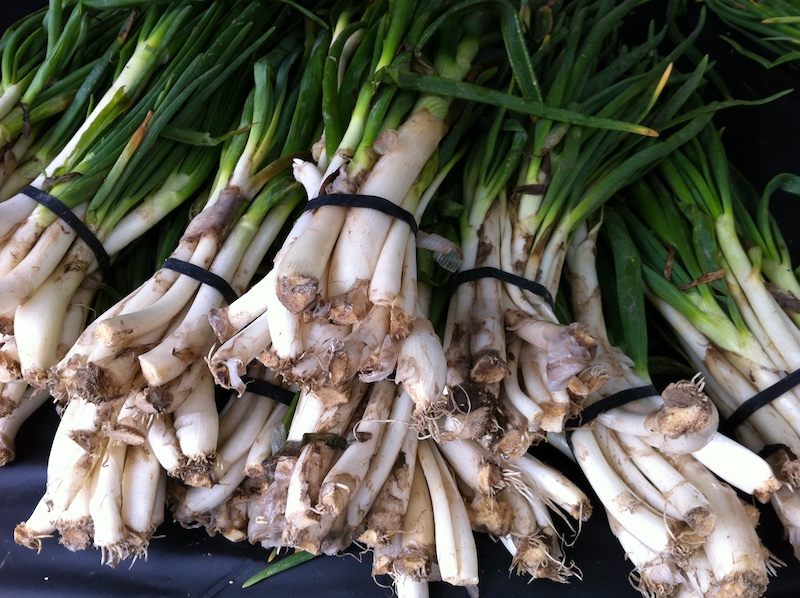 All of the alliums and wild onions, as well as green garlic, spring onions and the Spanish type called calçots (left)—meant to be grilled and served with a
 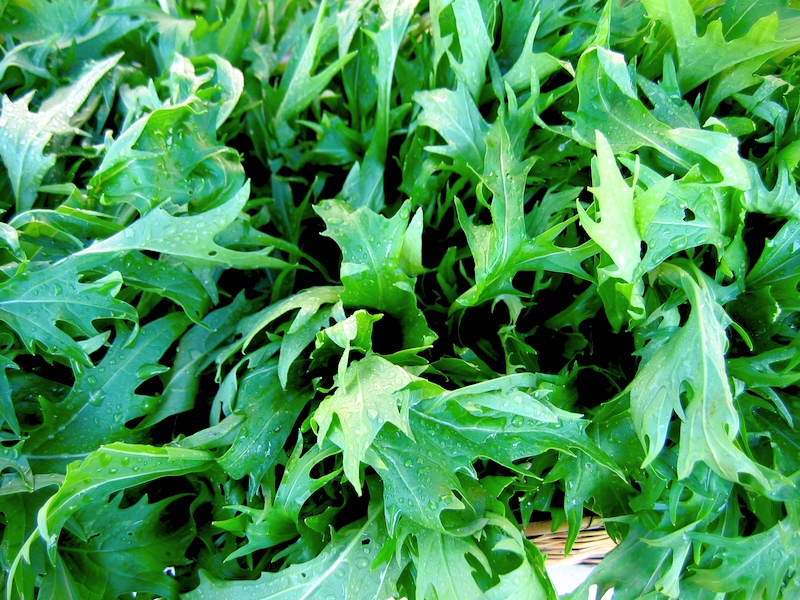 And for nutrient-dense greens, you can't do better than hearty spring greens like arugula, dandelion greens, spinach and early lettuces so fresh they practically vibrate.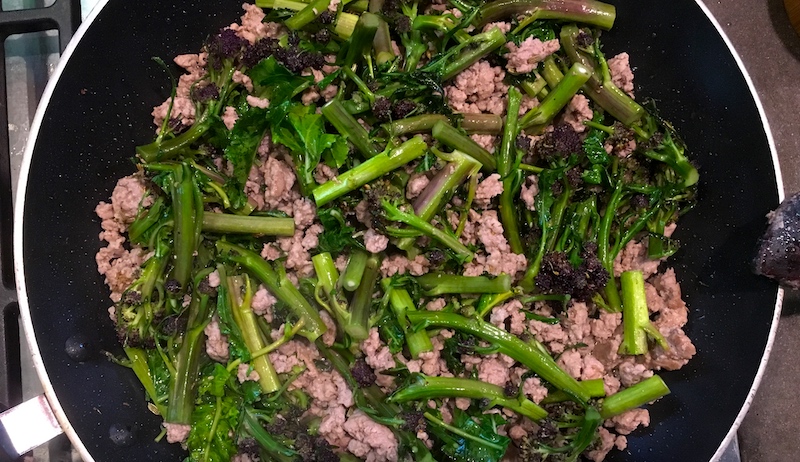
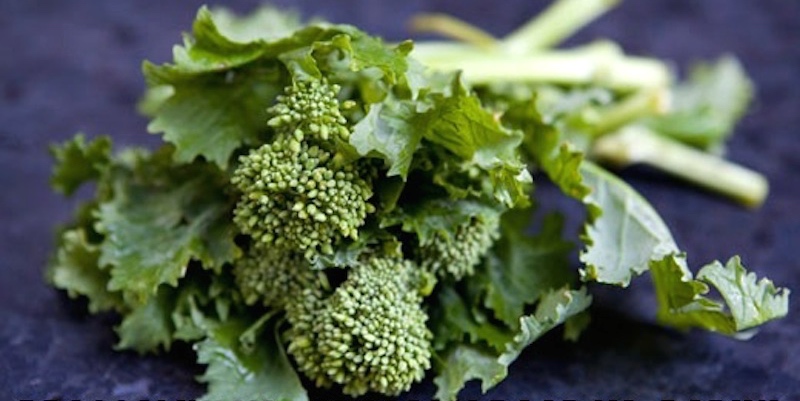
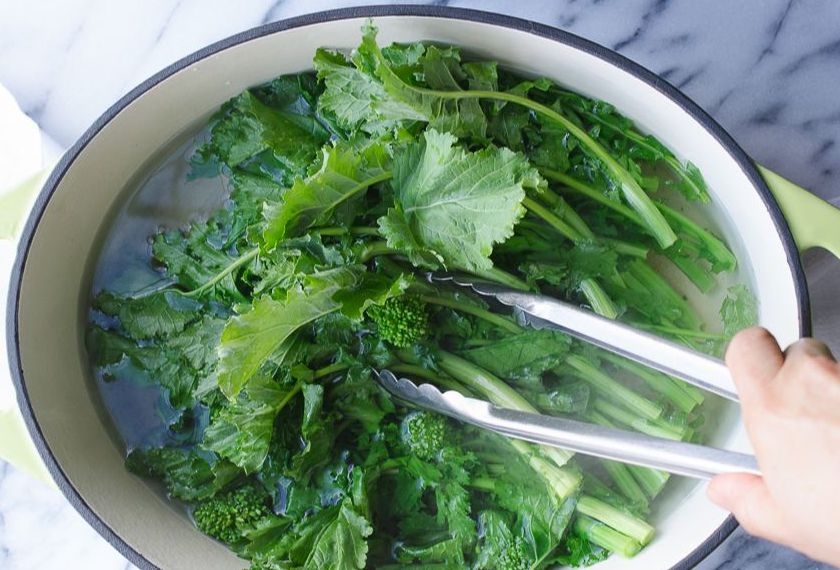 A quick bath mellows the bitter tang of rapini, and then it’s dragged around a skillet in plenty of olive oil and garlic. [If you like that bitter tang, like I do, omit the next step, chop them and go straight to the skillet after washing. - KB]
 Use the same skillet to cook a pound of ground pork with some olive oil over high heat until browned, then add a good pinch of oregano, another of fennel pollen, a teaspoon of fennel seeds, and a good pinch of sea salt. Stir in the cooked rapini and turn off the heat while the pasta cooks.