
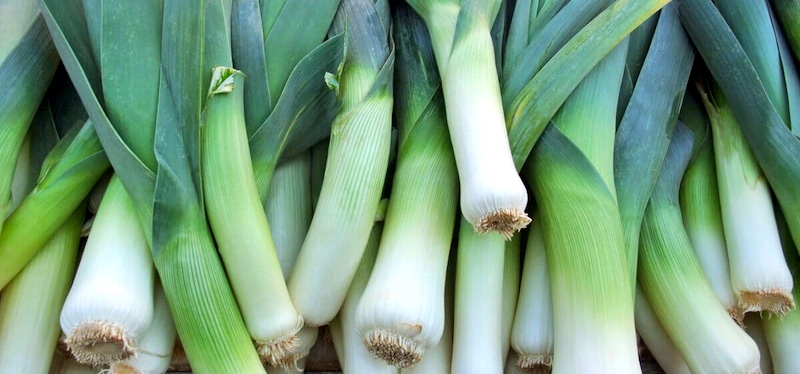
Underappreciated Spring Vegetables: The Noble Leek
There are certain vegetables that I am embarrassed to admit I have had almost no experience with. I could blame my upbringing in small town Oregon in the middle of the last century where iceberg lettuce was the only fresh green in Piggly Wiggly's produce aisle. Or my father and brothers who considered any vegetable outside of frozen peas and creamed corn to be potentially poisonous, so much so that my mother rarely dared to venture further afield.
But there was that magical day when she somehow—call it a mistake, a lapse in judgement, or maybe a frozen food-aisle epiphany—came home from the store with a box of frozen broccoli with cheese sauce. Packaged in a vacuum-sealed plastic bag, the only cooking required was to submerge it in boiling water for ten minutes to heat the broccoli and melt the cheese sauce.
I thought I'd died and gone to heaven, and have been a fan (and evangelist) for vegetables ever since (though not so much frozen or cooked in plastic).
 I am, though, a latecomer to the leek. While I love alliums of all sorts, leeks intimidated me with their baseball bat size and warnings about the need to clean them thoroughly, since their upright growth habit provides a perfect receptacle for splashes of spring mud.
Then came my epiphany in the form of my friend Carol Boutard's Potage Bonne Femme, a potato leek soup that seduced me with its rich, creamy luxuriousness. Like so many soups, it's simple and so quick you can make at the (nearly) last minute, the leeks infusing it with a sweet, light, slightly onion-y flavor and the potatoes giving it a smooth, hefty body, particularly if you choose to blend it either in a blender, food processor or with a stick blender. We love this soup on a cool or wet spring evening.
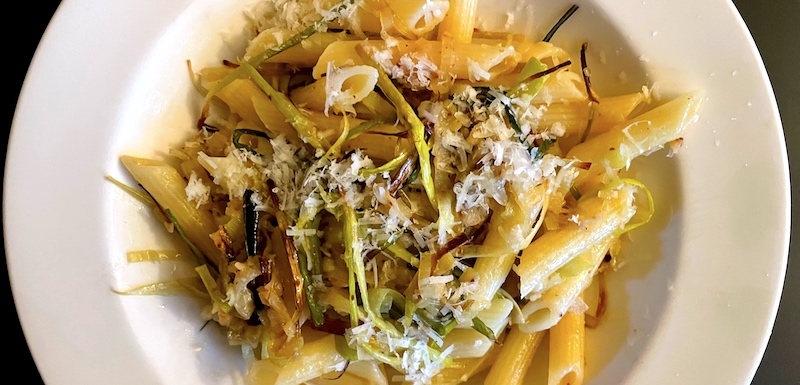
The other evening I was casting about for what to have for dinner that we hadn't had a million times before and was curious about combining the leeks I had in the vegetable bin with pasta. A quick internet search turned up a recipe for leeks in a cream sauce over pasta, but it seemed a bit heavy for a warm-ish spring evening, so I pivoted to a savory sauté that included most of a tin of leftover anchovies. The guys deemed it immensely "tasty"—their highest accolade—so I share it here; it would also be incredibly delicious spread on crostini as an appetizer.
Leek Sauté with Anchovies over Pasta
For the leek greens:
2 Tbsp. olive oil for drizzling
Leek greens
Salt
For the sauté:
1 lb. dried pasta
2 Tbsp. olive oil
1 Tbsp. butter
2 medium-sized leeks
1 tin anchovies with oil
4 cloves garlic, minced
Juice of 1/2 lemon
Salt and pepper, to taste
Parmesan cheese for sprinkling
Preheat oven to 375°.
While the oven is heating, separate the dark green tops from the light green/white bottoms by slicing crosswise, then making sure they are free of dirt or grit, slice the dark green tops crosswise into approximately 3-4" lengths. Press those flat and slice lengthwise into thin slivers, then spread out on a sheet pan lined with parchment paper.
Drizzle olive oil over the slivers and sprinkle with salt. Place in oven for 25 minutes or until lightly charred.
Put a large pot of water on to boil for pasta.
While it comes to a boil, slice off any root ends remaining on the leeks, then slice the leeks in half lengthwise, rinsing off any dirt or grit. Slice the whites crosswise into thin slices.
Place a large frying pan on medium heat and add olive oil. When it shimmers, add leek whites to the pan and sauté for 10-12 minutes until they are wilted. Make a well in the middle of the pan and add anchovies, pressing them down with a spatula until they dissolve. Add garlic and sauté briefly until warmed, then reduce heat. Add the roasted greens to the pan and stir. Keep it on a low burner while you cook the pasta.
Put the pasta into the boiling water and cook until al dente. When the pasta is done, drain in a colander and transfer to a large serving bowl. Pour the leek mixture over the top and toss briefly. Drizzle with additional olive oil and serve with grated parmesan at the table.
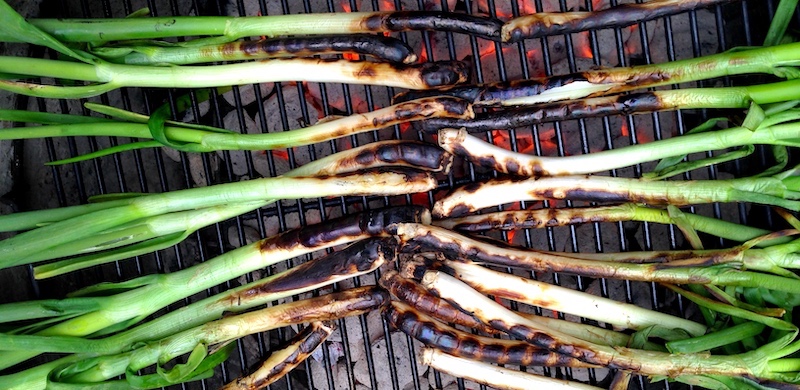
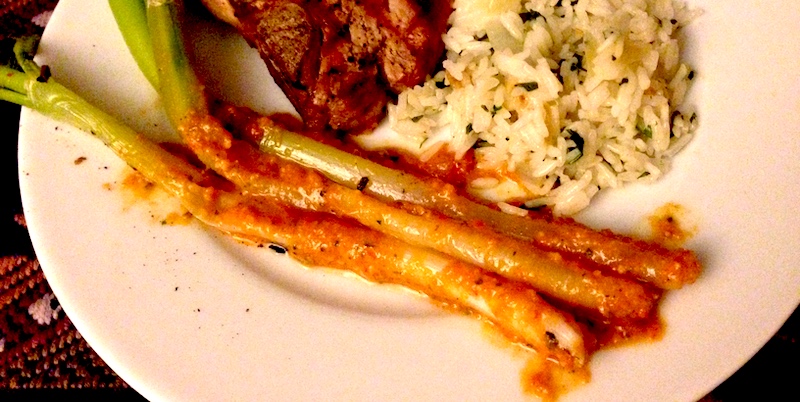 Cooked on a hot grill until the outside layer is blackened but not charred and the inside is soft and creamy, the blackened outside layer is peeled off and the remaining onion is dunked in a tangy romesco-like sauce called salbitxada (sahl-beet-SHAH-dah). Then, holding the onion aloft by the greens, the trick is to lower the soft, saucy white part into your mouth and bite it off without having the sauce dribble all over your face. (