
Holiday Gifting, Part Two: The Gift of Generosity
I don't know about you, but my family doesn't need more stuff cluttering up our lives (or needing to be dusted). Several years ago my parents sat the whole family down before the holidays and suggested giving gifts of "meaning"—that is, gifts to charities or causes that the recipient would want to support. For instance, my mother appreciated gifts to Heifer International, an organization that has a mission to end hunger and poverty by supporting and investing alongside local farmers and their communities.
In that spirit I thought I'd put together a list of organizations that support our food system directly or indirectly, in case you or your loved ones are inclined to ditch the store aisles packed with desperate shoppers and contribute to changing our planet for the better. (Many of them would also make great year-end charitable donations, if that's more your bent.)
 Food System
Friends of Family Farmers is a statewide organization that supports Oregon's small family farmers through networking, workshops and legislative advocacy.
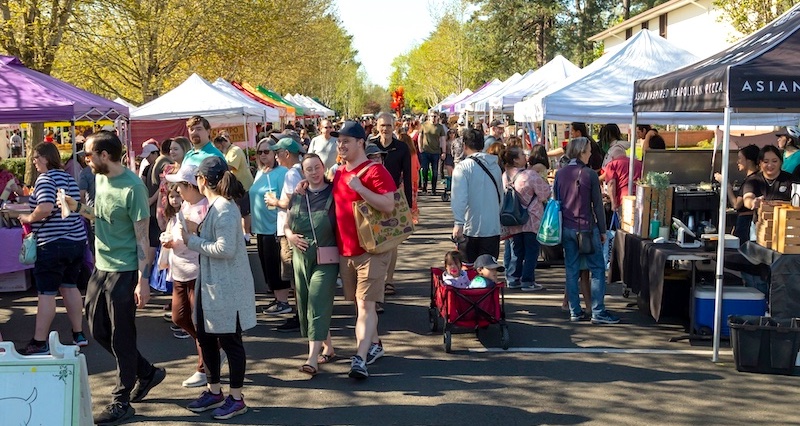
Farmers Market Fund makes healthy, locally grown food accessible to under-served Oregonians through their Double Up Food Bucks program that provides a dollar-for-dollar match on SNAP (food stamp) purchases at over 90 Oregon farmers' markets.
Center for Food Safety works to empower people, support farmers, and protect the earth from the harmful impacts of industrial agriculture through groundbreaking legal, scientific, and grassroots action.
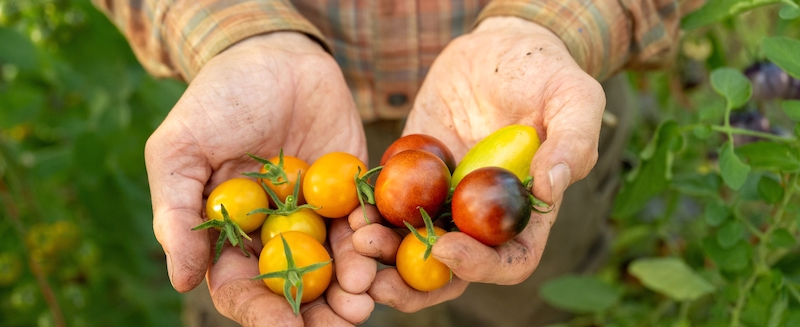
Pacific Northwest Community Supported Agriculture is committed to providing education about Community Supported Agriculture (CSA), supporting farmers who provide quality local food to our communities, and increasing access to healthy food for underserved communities.
Oregon Agricultural Trust works with farmers and ranchers around Oregon to safeguard Oregon’s farm and ranch lands and the rural communities that depend upon them by permanently protecting our working lands and helping them stay in production.
Gaza Soup Kitchen is a grassroots initiative led by the people of Gaza, serving hot meals to tens of thousands daily. Born from a vow to ensure no neighbor goes hungry, 99% of every dollar goes directly to feeding and supporting the people of Gaza. (Read my post about Gaza Soup Kitchen.)
 Justice for Immigrants and Farm Workers
Portland Immigrant Rights Coalition (PIRC) is committed to defend the rights of immigrants in our community through education, rapid response, and legal support.
PCUN (Oregon Farmworker Union) has a mission to empower farmworkers and working Latinx families in Oregon by building community, increasing Latinx representation in elections, and advancing policies on both the national and state levels.
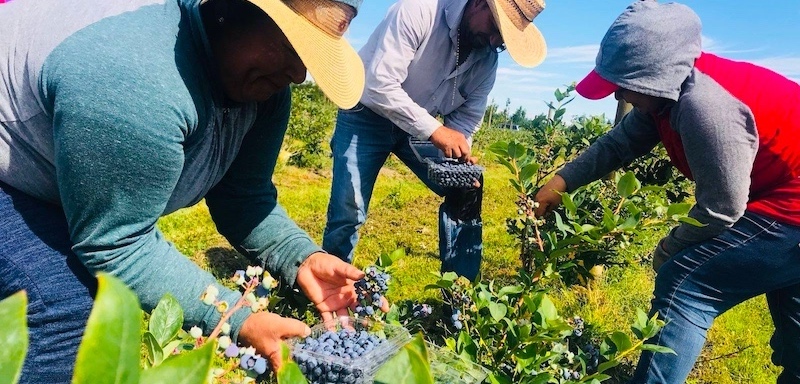
Community to Community is a grassroots organization led by women of color that is committed to strengthen local and global movements toward social, economic, and environmental justice. (Read my article about founder Rosalinda Guillen.)
 Environment and Climate
Food and Water Watch works to protect food, water, and air, as well as fighting climate change by banning fossil fuels.
Columbia Riverkeeper is committed to protect and restore the water quality of the Columbia River from the headwaters to the Pacific Ocean by partnering with tribes and uniting communities to advocate for environmental and climate justice.
Xerces Society protects the natural world through the conservation of invertebrates and their habitats by conducting research and relying on up-to-date information to guide its conservation work in pollinator conservation, endangered species conservation, and reducing pesticide use and impacts.
Photos: Pacific Northwest CSA (top); Beaverton Farmers Market (market shoppers); Community to Community (farm workers); Xerces Society (lady beetle).


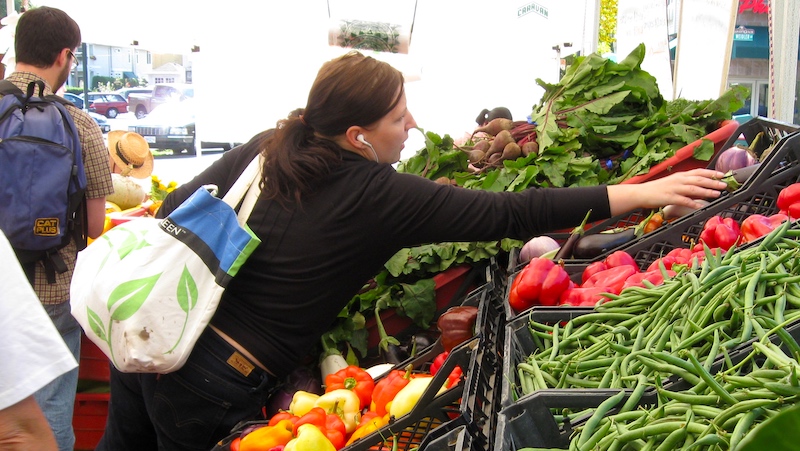
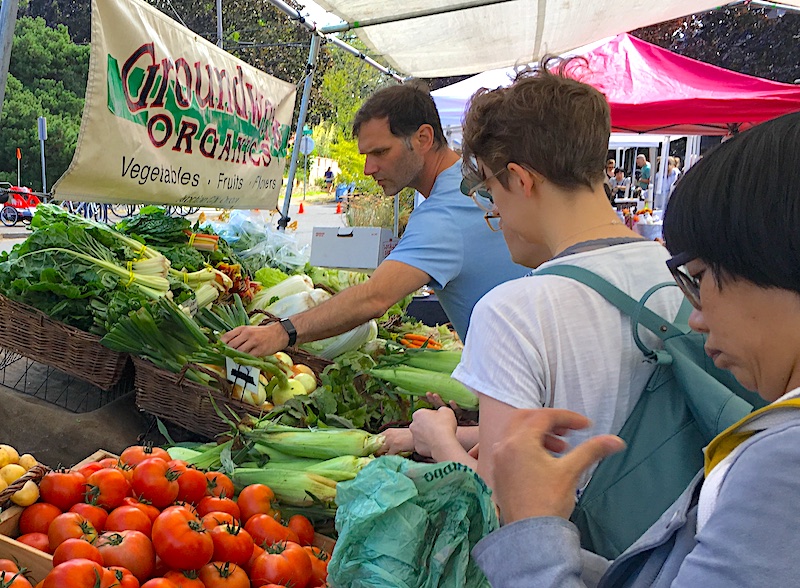 While the article primarily addresses how this lack of transparency affects institutional food procurement, the same problem exists in our supermarket aisles and on restaurant menus. Aside from the slippery definitions of words like "natural," "humanely raised" and "cage-free," the word "local" has achieved currency as a desirable label on food products.
 Want to add more local spirits to your home bar by buying from a local distiller? Check first that those products aren't made from bulk spirits imported from a factory far from Oregon. Many local distillers advertise their products as "locally produced" when they're actually importing bulk spirits that they only have to pump into barrels and blend or age here—it's worth asking if the producers truly distill their own alcohol.
 Rapport adds that while sourcing locally is encouraged, requiring vendors to buy from local sources can be problematic. "What if that farm runs out of what you need? What if the same item from two different farms, cabbage for sauerkraut for example, doesn’t taste the same and alters the final product you are making?" Plus, she notes, local products are likely more expensive than wholesale ingredients from a larger supplier.