
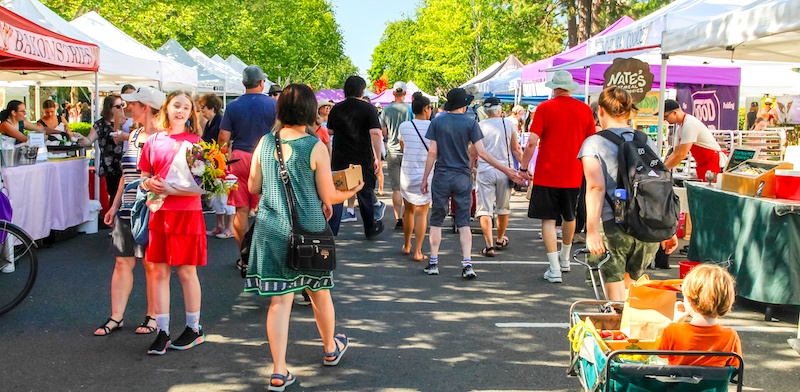
Think Strategically, Get More Value from Your Farmers' Market Trip
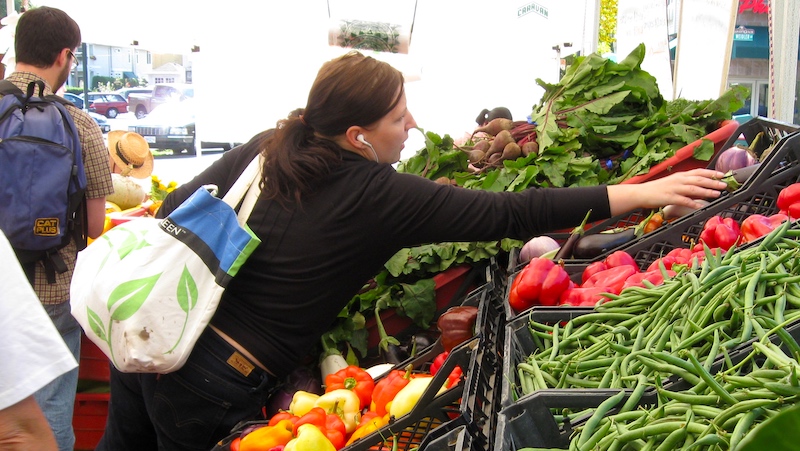
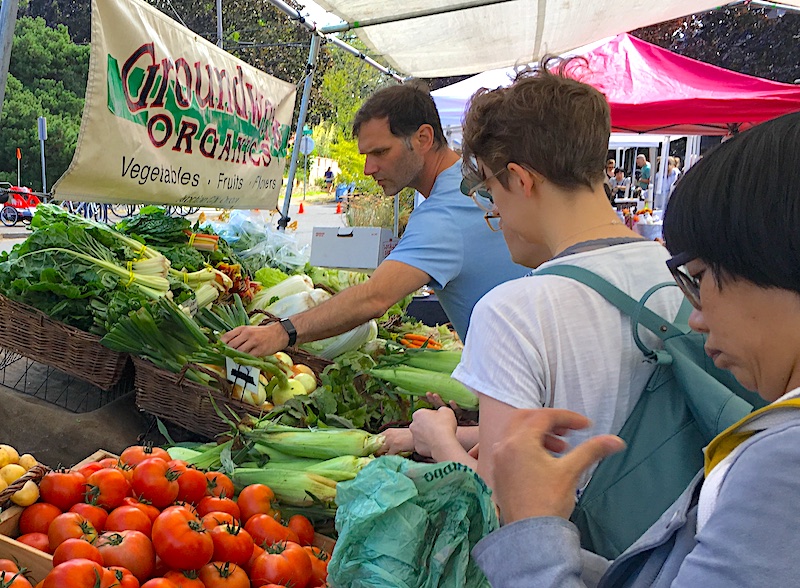
Do you feel overwhelmed when you go to the farmers' market? Does the abundance of produce on market tables and the brightly colored flowers, not to mention the noise of shoppers crowing about their finds, make your head spin? In the latest Beaverton Farmers' Market newsletter, Market Master Ginger Rapport has some sage advice for planning your next trip.
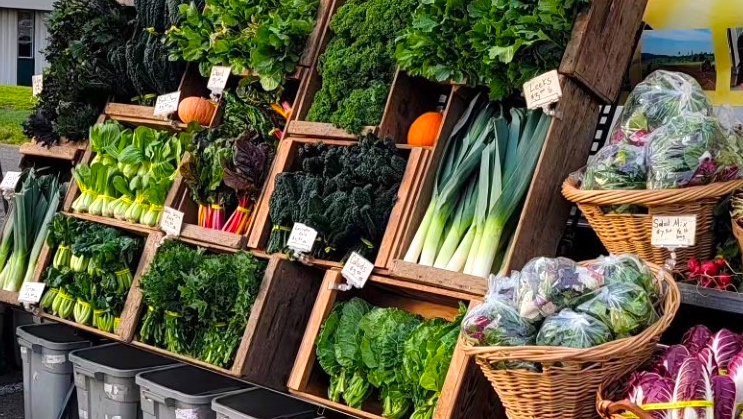
As we are approaching the final stretch of March here in Oregon, the market feels like it’s on the verge of stepping into a new chapter right on the cliffhanger of the seasons. The winter crops are still holding strong, but here and there we are starting to spot the hints of spring, from bright and sunny daffodils to tender, flavorful greens and herbs, the first guests of season 2026. For our marketgoers, juggling busy schedules and work-life balance, this is actually the best time to think about their routine Saturday outing in terms of meal planning. The ingredients are flavorful, simple, and easy to mix and match across the meals.
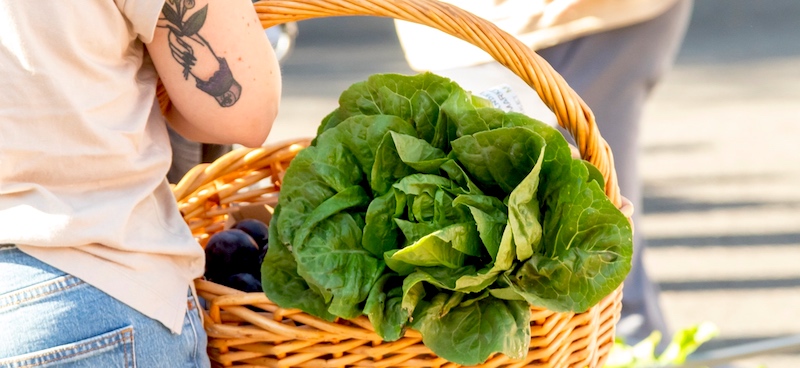
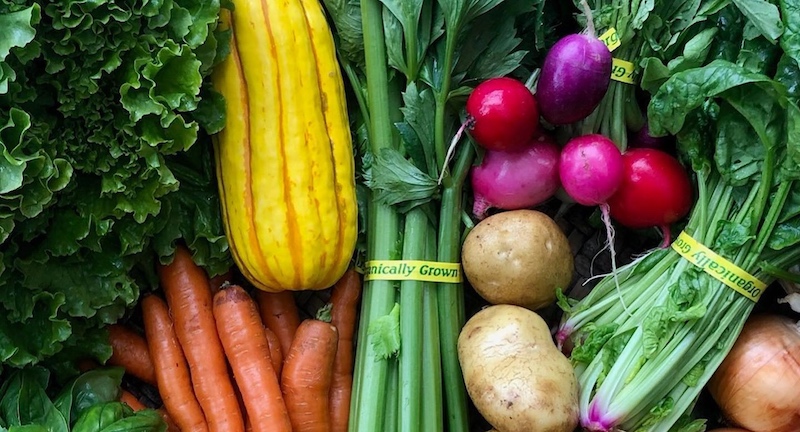
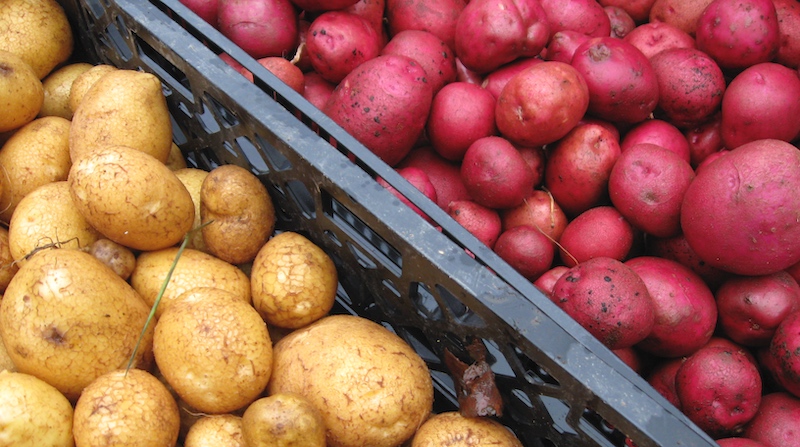
The concept of a “base basket” makes it easier to plan what to shop for and how to stretch your budget a little further. Instead of a single recipe, think strategically. Start with hardy veggies like potatoes, carrots, squash, and onions.
Add fresh seasonal produce like asparagus, kale, or spring greens. Build simple, flexible meals around what’s freshest and most flavorful at the market. Enjoy vibrant, nourishing dishes that make the most of the season.
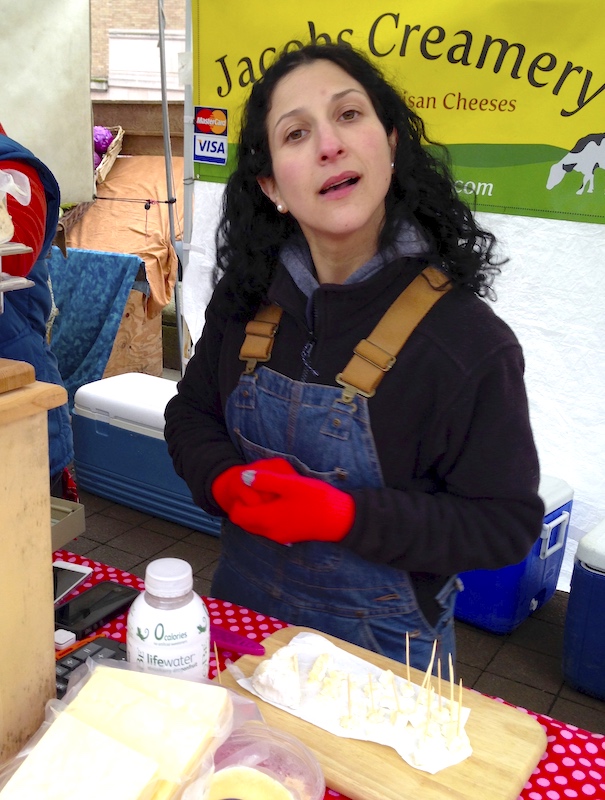
Next stop—eggs, bread, and cheese to round things out. With these humble and simple staples, you can create a variety of dishes for the week without ever getting bored. Creamy soups, quiches, bowls, and sandwiches—the possibilities are endless!
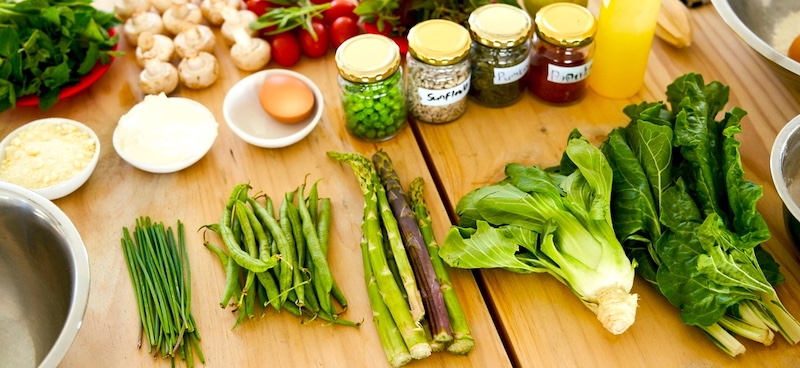
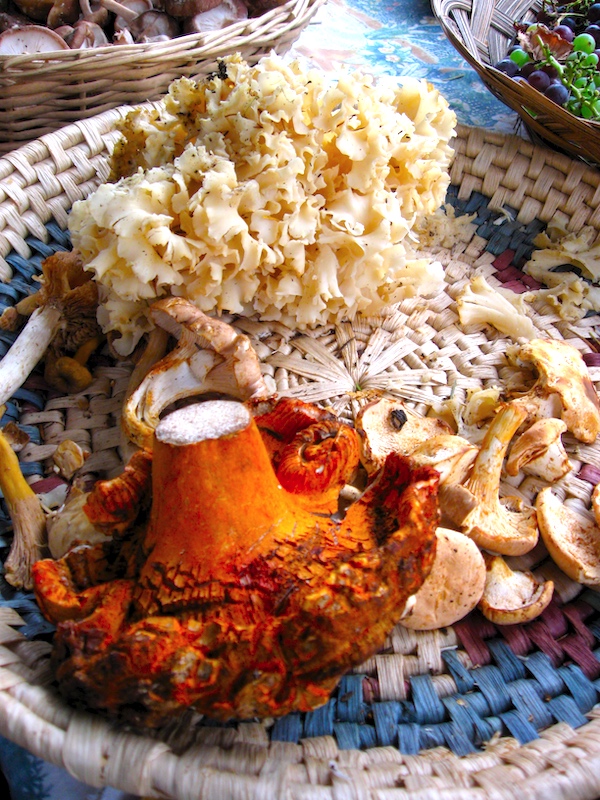
Strategize to prep ingredients rather than whole meals. A little bit of time after the market spent with your haul is going to yield a great payoff. Sauté your mushrooms, roast a pan of veggies, wash and chop the greens, and cook some grains like quinoa or brown rice - these are your building blocks for the week. Instead of cooking from scratch, you can assemble your meals in minutes from the ingredients that just need to be warmed up.
Approaching mid-week is when the farmers market produce really gets to shine! One-pan or one-pot meals make it easy to throw together a pasta dish or a stir-fry. A quick hummus, roasted veggie, and pickled radish wrap may be the best lunch you’ve ever made! Top with seasonal microgreens from Le Petit Jardin or herbs like scallions or parsley to brighten up the dish. All the ingredients are fresh and nutritious! Here is a delightful, customizable wrap recipe from The Garden Grazer that is perfect for lunch and will make all of your coworkers jealous.
Toward the end of the week, “low energy” recipes will carry you over. Roasted veggies tossed on top of spring greens and topped with a fried egg from Santos Family Farm fancies up what may seem like a humble dinner. Try the delightful, exotic-flavored bread from our new vendor, The Spiced Oven, paired with goat cheese from Fraga Farmstead Creamery, and topped with vanilla-infused honey from Salmon Creek Farm, for a simple, no-effort platter with a relaxing glass of wine.
When life gets too busy, and there’s not even a minute to throw it all together for a family meal, Foglia Pasta has you covered! Pick up their trays of baked ziti, classic mac 'n' cheese, lasagna, meatballs, or fresh pasta for an easy dinner!
Finally, let the market guide you rather than the other way around. Late March in Oregon is all about transition, and your meals can reflect that—cozy but lighter, simple but vibrant. By shopping with flexibility and by prepping just enough to stay ahead, you can turn one farmers market visit into a full week of nourishing, stress-free meals that fit seamlessly into a busy life.
 While the article primarily addresses how this lack of transparency affects institutional food procurement, the same problem exists in our supermarket aisles and on restaurant menus. Aside from the slippery definitions of words like "natural," "humanely raised" and "cage-free," the word "local" has achieved currency as a desirable label on food products.
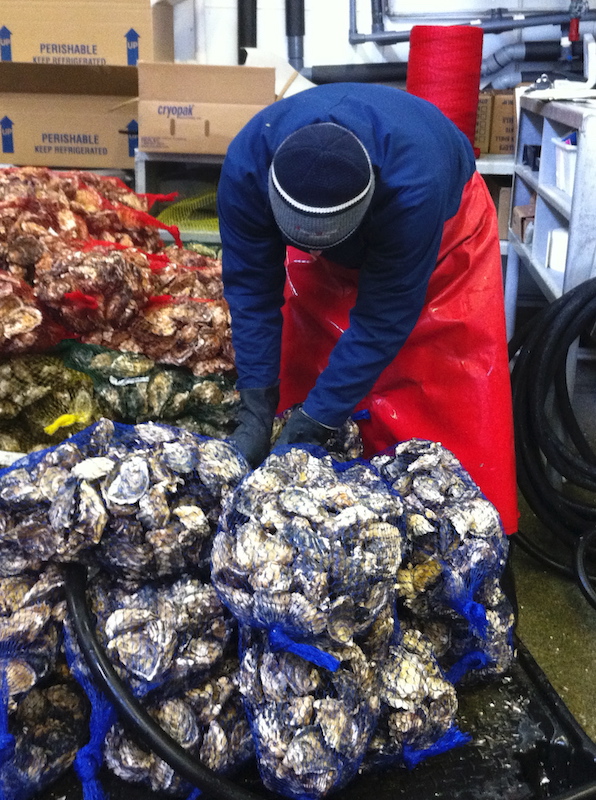 Want to add more local spirits to your home bar by buying from a local distiller? Check first that those products aren't made from bulk spirits imported from a factory far from Oregon. Many local distillers advertise their products as "locally produced" when they're actually importing bulk spirits that they only have to pump into barrels and blend or age here—it's worth asking if the producers truly distill their own alcohol.
 Rapport adds that while sourcing locally is encouraged, requiring vendors to buy from local sources can be problematic. "What if that farm runs out of what you need? What if the same item from two different farms, cabbage for sauerkraut for example, doesn’t taste the same and alters the final product you are making?" Plus, she notes, local products are likely more expensive than wholesale ingredients from a larger supplier.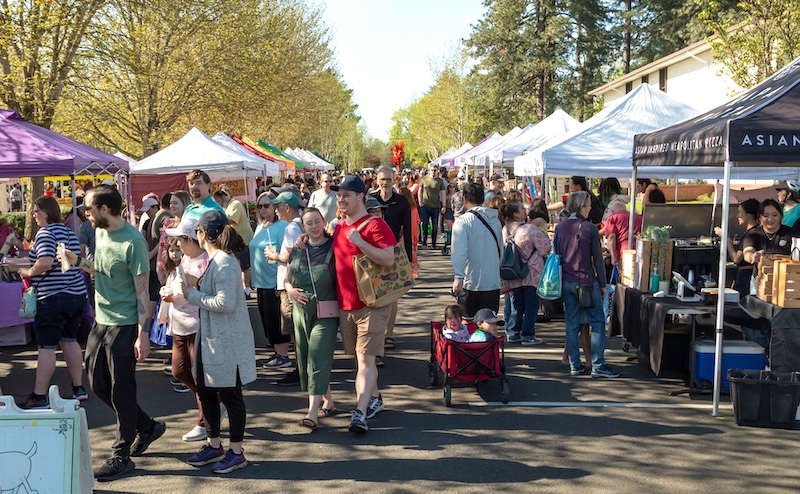


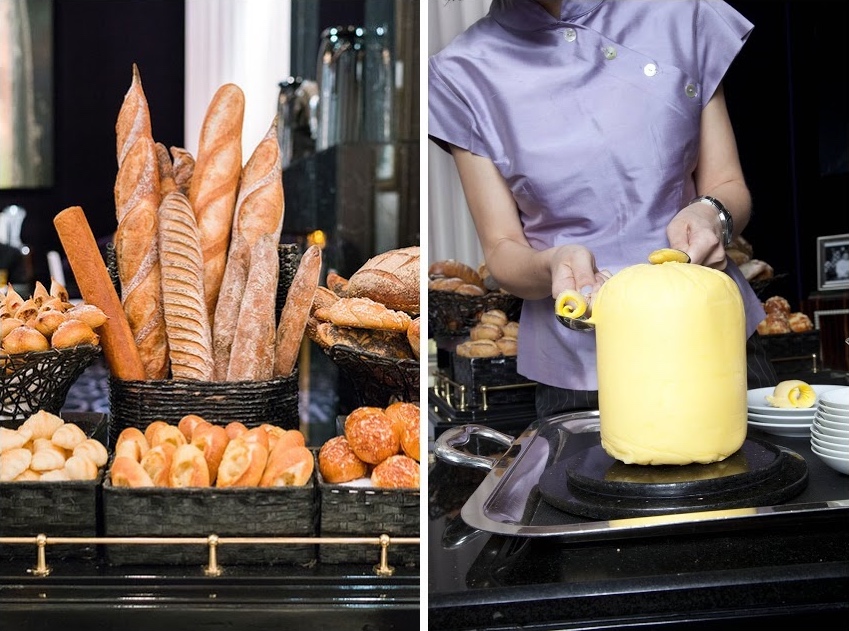 There are many kinds of meals. There are those that simply feed you, those that feed your soul, and those that are so memorable that they rate right up there with the best experiences of your life. A meal at Joel Robuchon’s in Las Vegas MGM Grand Hotel is such an experience. Robuchon was named “Chef of the Century” by the Gault Millau in 1989 and had 32 Michelin stars, the most of any chef, at his time of death from pancreatic cancer in 2018.
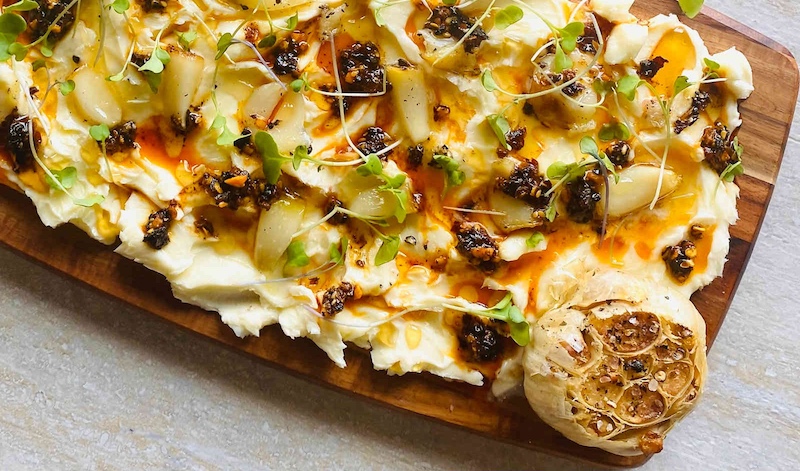
 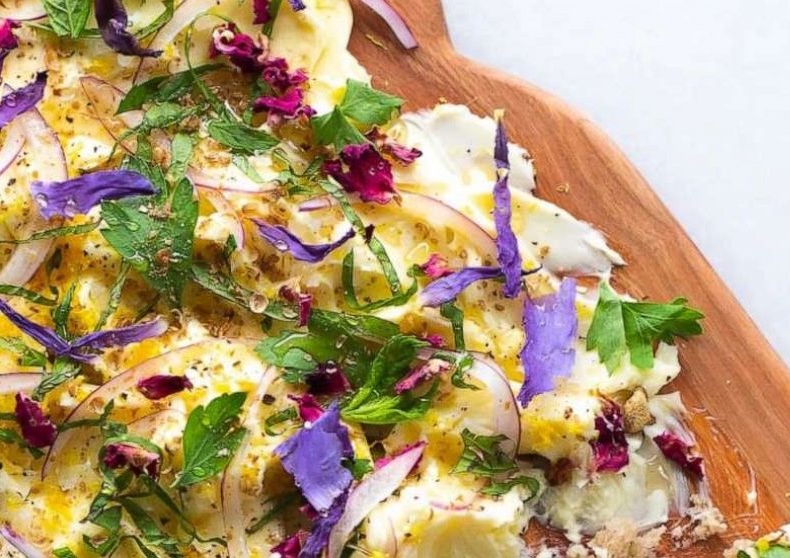 So it is with great enthusiasm that Ginger embraces the hot new trend shepherded to fame by TikTok creator Justine Doiron: The Butter Board. Most of you are familiar with charcuterie boards—tasty combinations of meats and cheeses, along with complementary accompaniments such as fruits and nuts that make for great snacking and conversation when served among friends and family. Well, a Butter Board is a similar concept, only the main attraction is the excellent quality butter that has been creatively enhanced and surrounded by pieces of bread and crackers.
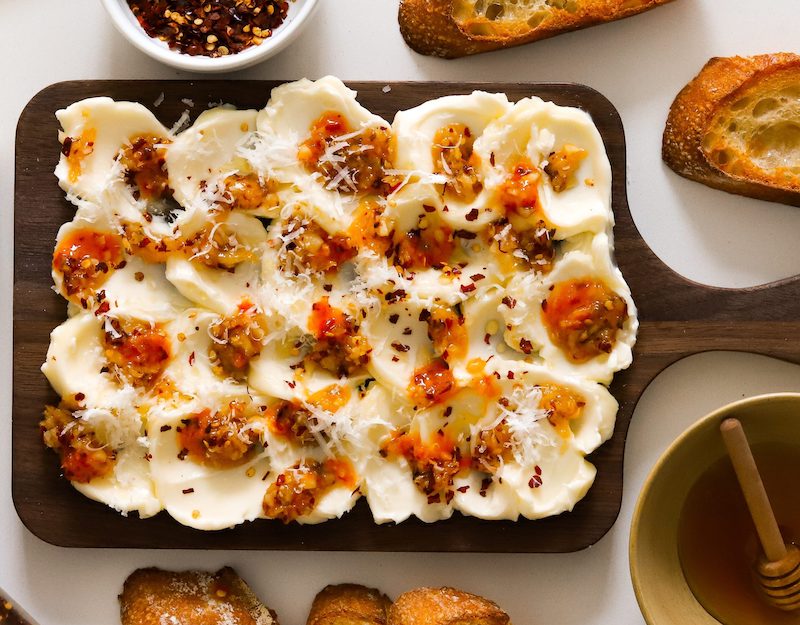 The thing that is so wonderful about this idea is that it is relatively simple to prepare, and you can get as creative as you want with the combinations of ingredients. First, you start with fabulous butter. Do not skimp here! Here at the Beaverton Farmers Market, we are lucky to have the gorgeous butter made by our friends at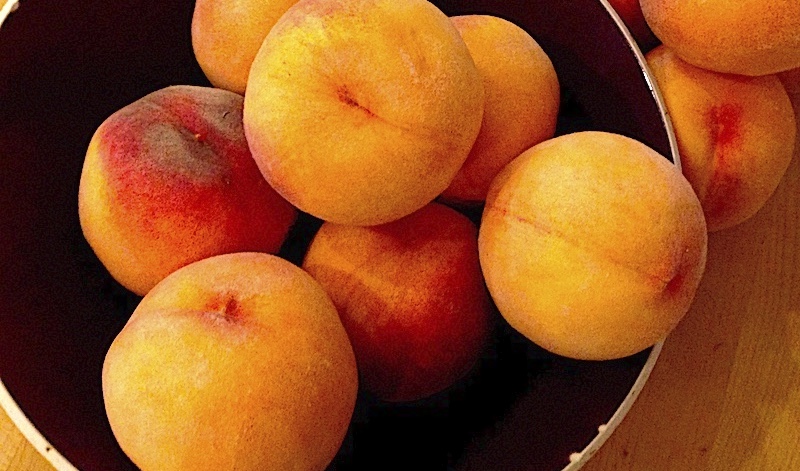
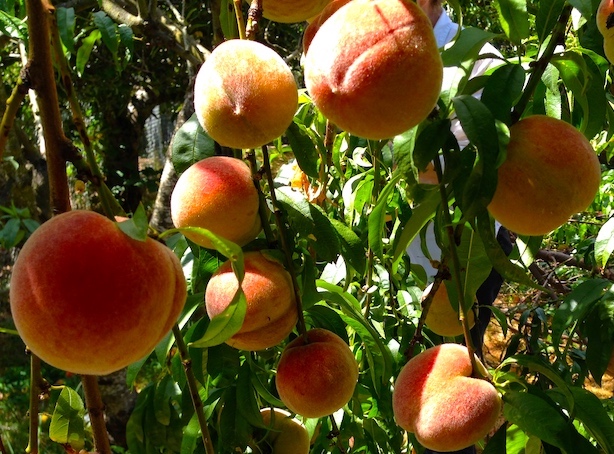 Among its many attributes, a medium peach is a mere 37 calories and is high in vitamins A, B, and C. Because a fully ripe peach is delicate and easily bruised, you will often find them sold just “under-ripe.” To fully ripen your fruit, place them on the counter in a brown paper sack, folded closed, for two or three days. (Do not try this in a plastic bag. As the fruit respires, it gives off moisture which will collect on the plastic bag and cause the fruit to rot.) The ripe fruit will be soft and fragrant. Refrigerate them at this point.
 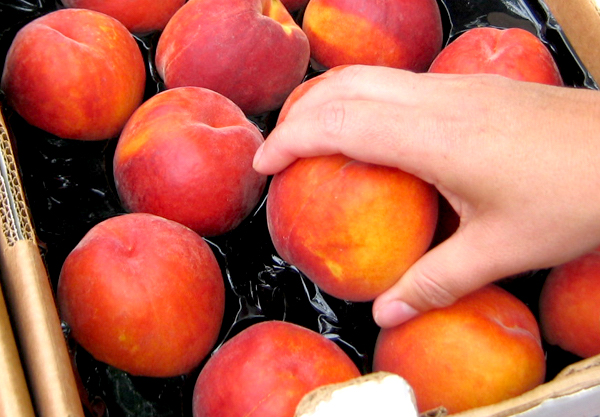 Like the plum and the apricot, peaches are members of the rose family (Rosaceae), distinguished by their velvety skin. If the peach fuzz bothers you, try rubbing the fruit with a terry handtowel after washing, it will diminish the feel of the fuzz on your mouth. Of course, you could also choose to purchase nectarines instead if the fuzzy skin bothers you.

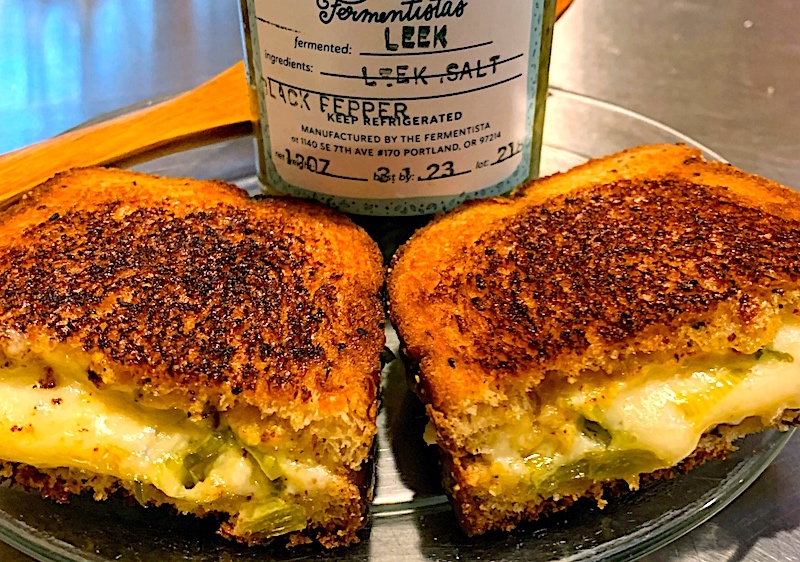
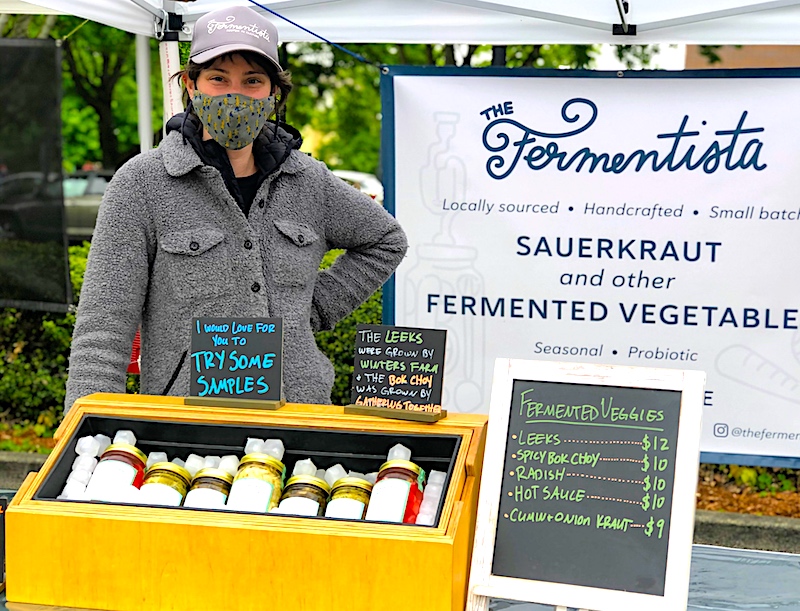
 Sarah specializes in fermented vegetables from sauerkraut to salsa. Fermenting gives food a sour flavor without any added acid, which differs from pickling, which involves putting food into an acidic brine. Fermenting is a healthier and, in our opinion, tastier way to preserve vegetables such as cabbage. Sarah makes several delicious krauts so we asked for her recommendation. Market Master Ginger Rapport was leaning toward her Caraway Sauerkraut because she loves the hint of onion that Sarah adds to the mix. However she changed her mind at Sarah’s urging and instead picked up a jar of Fermented Leeks with Black Pepper.
 "We have confirmation today from Oregon Department of Agriculture (ODA) that markets and other businesses should not be making changes before getting new guidance from Oregon Health Authority [OHA]," a
 "On May 18, OHA released updated guidance about mask and physical distancing requirements for individuals fully vaccinated against COVID-19.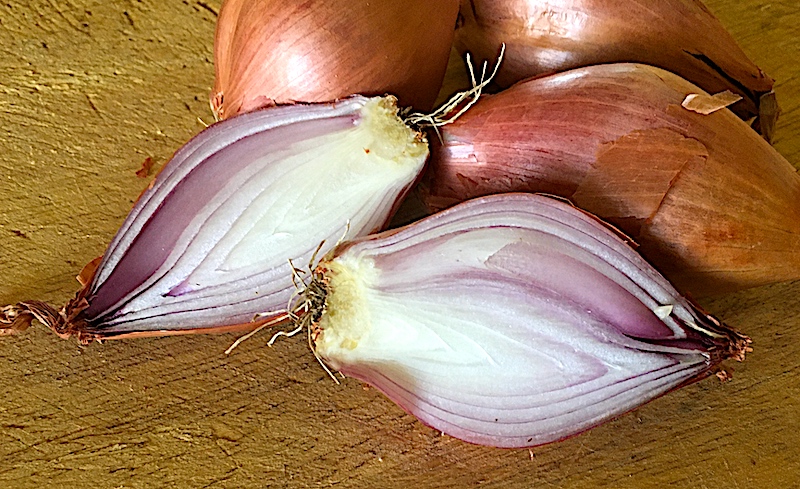
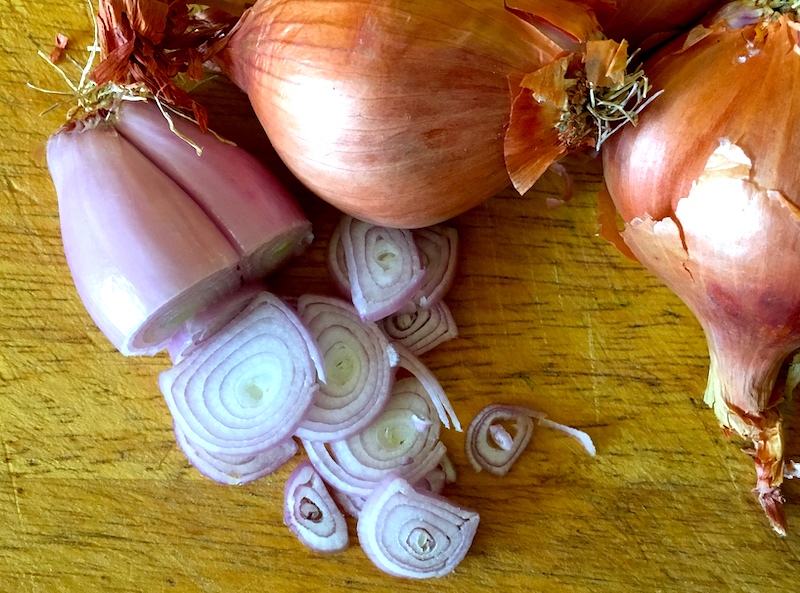 Shallots have a delicate, sweet flavor without the intense heat of an onion. They are preferable over onions in raw applications such as salad dressings and vinaigrettes. Finely diced, they provide a subtle bite to pan sauces and are delicious roasted whole, or pickled as a garnish. Shallots are ubiquitous in Vietnamese cooking, especially pho, where they are combined with ginger to give pho its unique taste and fragrance.
 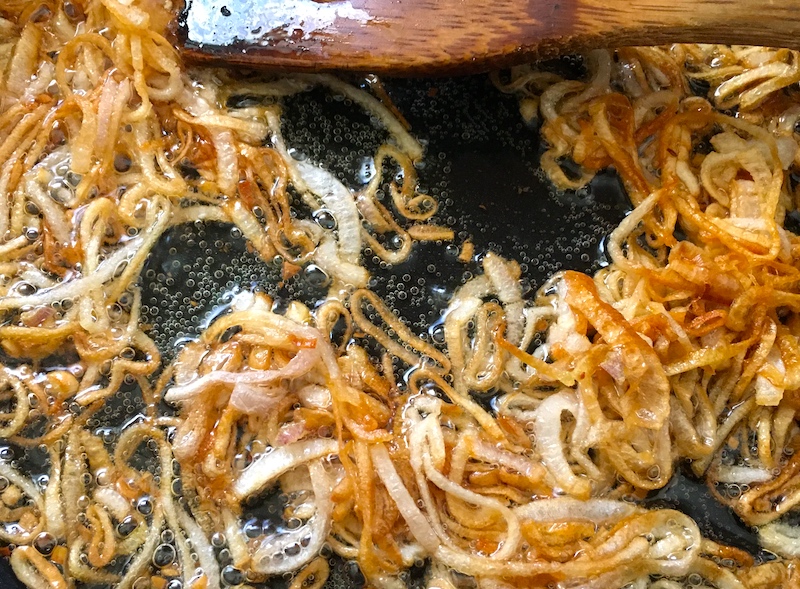 Frying shallots turns them into crispy, flavor-packed clusters that are good on almost anything. (This is not an exaggeration.) Beaverton Farmers Market Master Ginger Rapport keeps a container of them in her refrigerator at all times. Their caramelized flavor and crunchy texture adds sparkle to salads, potatoes, roasted or steamed vegetables, grain bowls, omelets, steaks, deviled eggs and avocado toast. Chopped, they can be added to dips or combined with mayonnaise as a sandwich spread. Bring cottage cheese to life with a sprinkling of fried shallots on top.